Relaxing or Deep-Tissue Massage: What Fits You
The short version: a relaxing massage works on overall tension and the nervous system – soft strokes, a calm pace, that "finally exhaled" feeling. Deep-tissue massage targets specific knots and chronic muscle tension: slower, deeper and more focused. Stronger does not mean better – they are simply different tools for different jobs.
Choosing is easier than it looks: start not with the name on the price list but with the question "what do I want to feel after the session". Here is how the two styles differ, who each one suits and what to tell the therapist before you start.
How the techniques differ
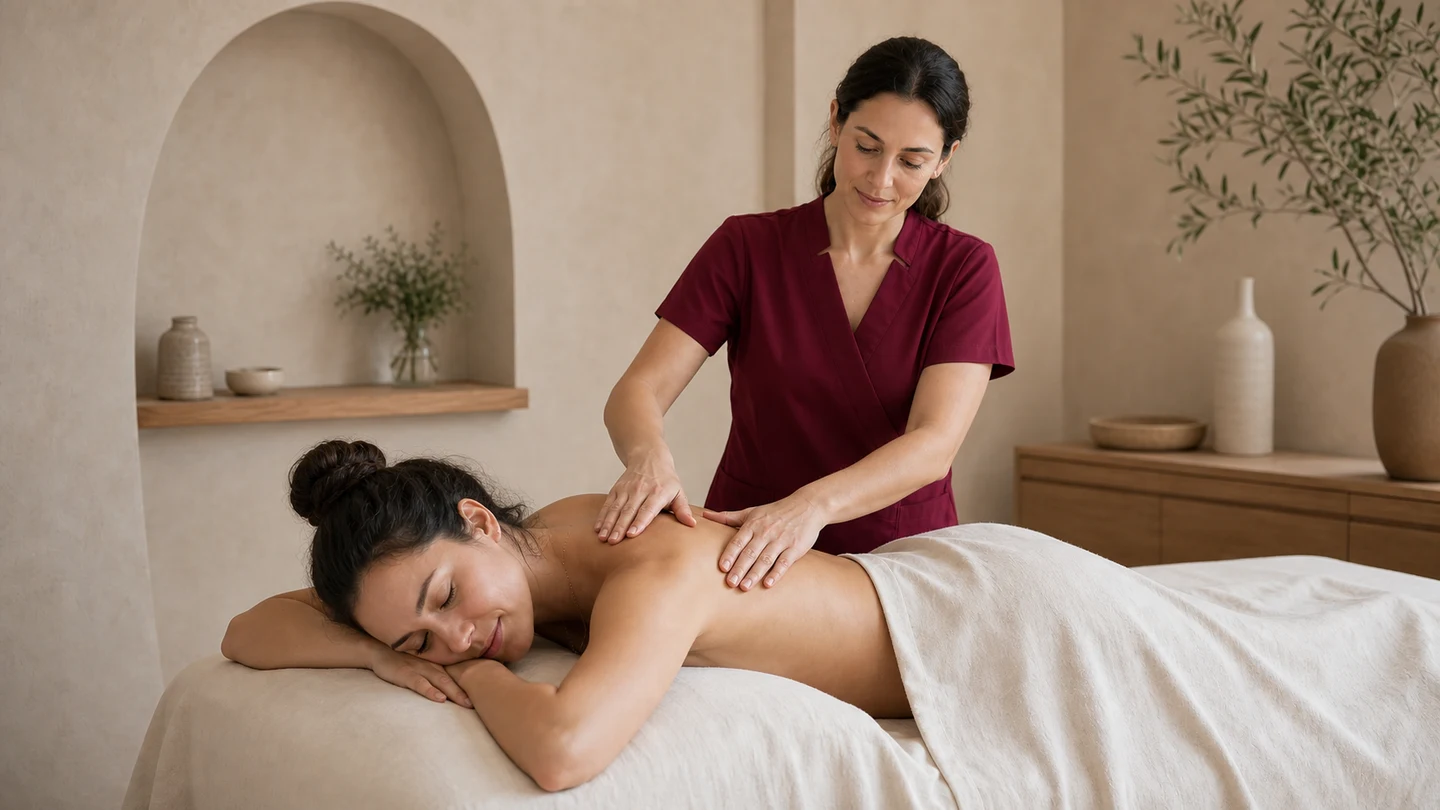
A relaxing massage (also called classic or Swedish) uses long, flowing strokes over the whole body, light to medium pressure and an even rhythm. The goal is to release general tension, improve sleep and let the body switch out of always-on mode.
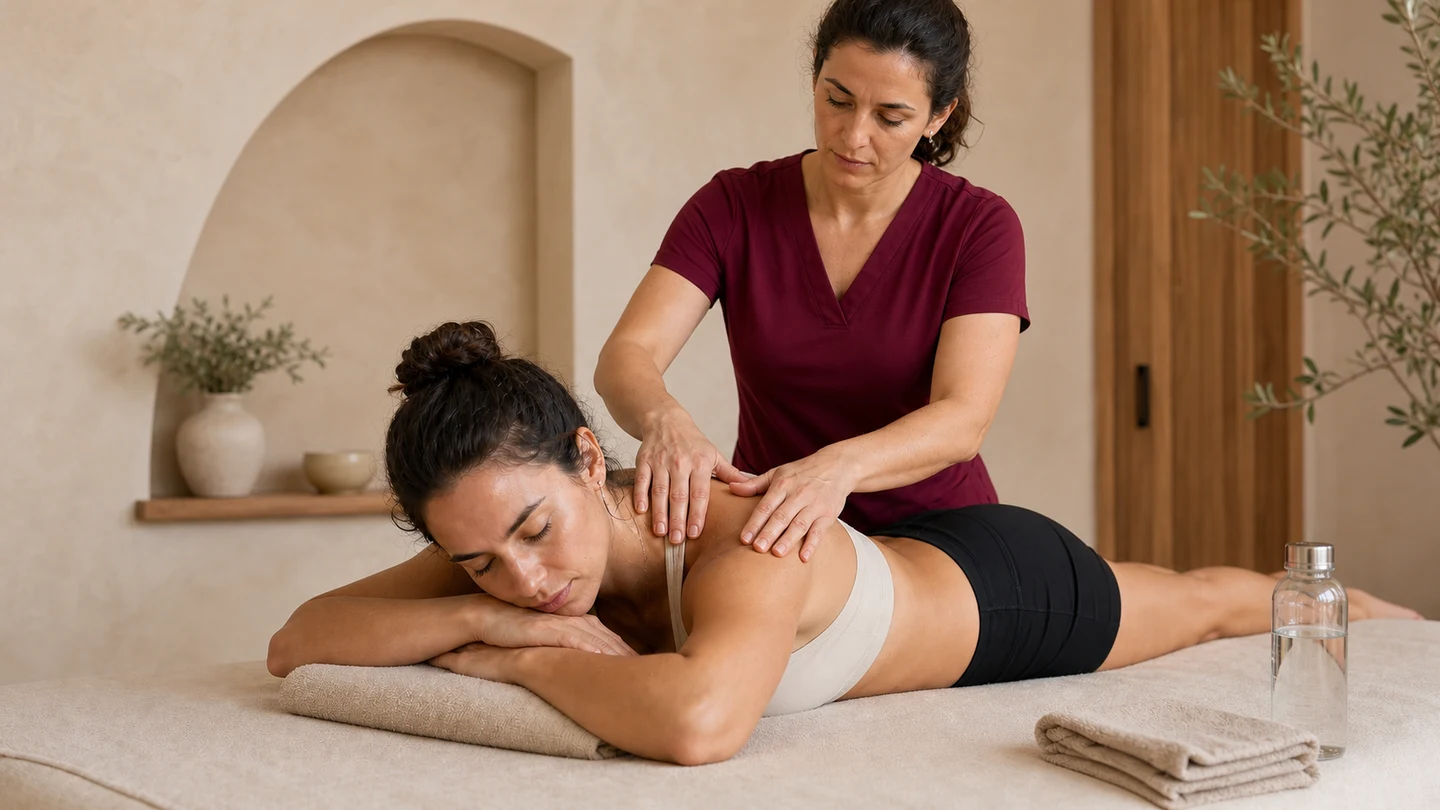
Deep-tissue massage works with the deeper muscle layers and fascia. The therapist moves slowly, stays longer on problem areas – neck, shoulders, lower back – and uses firm, deliberate pressure. The goal is to soften chronic tightness that has built up over months and restore mobility to locked-up areas.
When to choose a relaxing massage
A relaxing massage is the right call if you want to unload stress and fatigue, sleep poorly, feel generally tense without one specific painful spot – or simply have not rested in a long time. It is also the best first massage: it introduces your body to the process without intense sensations.
Feeling sleepy and unhurried afterwards is a normal nervous-system response – not a sign that "nothing worked".
When you need deep tissue
Deep-tissue makes sense when there is a specific complaint: a neck stiff from desk work, locked shoulders, a heavy lower back, post-training tightness. It suits people who train or do physical work and feel that their muscles will not let go even after rest.
One important caveat: with acute pain, recent injuries, inflammation or chronic conditions, see a doctor first, not a massage therapist. Massage works with tension, not with diagnoses.
"A good massage should hurt" – a myth
You do not need to endure pain on the table. During deep work, strong sensations are normal – but at the level of "deep yet bearable", where you can still breathe calmly. Pain that makes you clench and hold your breath is counterproductive: the body answers it with even more tension.
A good therapist checks in about pressure and adjusts it when you ask. Saying "softer" or "deeper" mid-session is normal and welcome.
What to tell the therapist beforehand
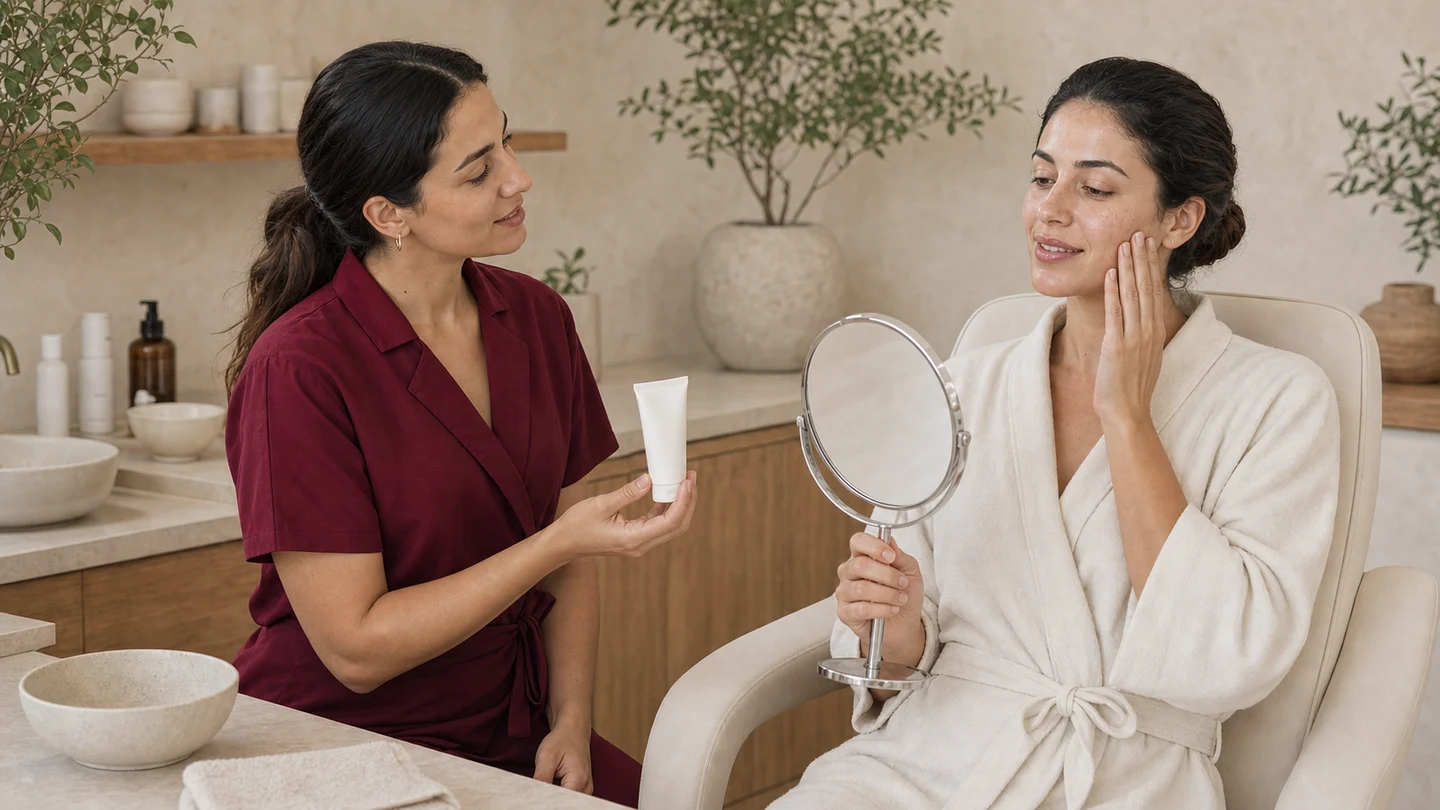
A couple of minutes of conversation makes the session noticeably more useful. Mention:
- what outcome you want – overall relaxation or work on specific areas;
- where exactly the tension sits and how long it has been there;
- your health context: injuries, surgeries, chronic conditions, pregnancy;
- what pressure feels comfortable – especially on a first visit.
From that brief, the therapist builds the session: often not a "pure" technique from the menu but a blend – general relaxation plus focused work on two or three areas.
After the session
After a relaxing massage, a quiet evening is all you need. After deep-tissue work, muscles may feel mildly sore for a day or two – like after a good workout. That is normal; water, warmth and gentle movement help. Skip intense training on the day of a deep session.
If the soreness is sharp, growing or lasts beyond two to three days, message your therapist and see a doctor if needed.
Frequently asked questions
How often should I get a massage?
For maintenance, once every two to four weeks is enough. For a specific problem area, the therapist may suggest a short series of closer-spaced sessions, then a maintenance rhythm.
Can both techniques be combined in one session?
Yes, and it is common practice: overall relaxation plus deep work on one or two areas. Just state the request before you start.
What about massage during pregnancy?
Only a dedicated prenatal massage, with a properly trained therapist and your doctor's approval. Classic deep-tissue work is not suitable during pregnancy.
Key takeaways
- Relaxing massage is for overall tension, stress and sleep; deep tissue is for specific chronic knots.
- Heavy pressure is not a measure of quality: pain that makes you clench works against the result.
- Half the outcome is the conversation beforehand: goal, areas, health, comfortable pressure.
- Mild soreness for a day or two after deep work is normal.
- With injuries, acute pain or pregnancy – doctor first, massage second.
The name on the price list matters less than the hands and attention of the person giving it. On BeYoffi, you can find a verified massage therapist, read reviews and discuss your needs before booking.