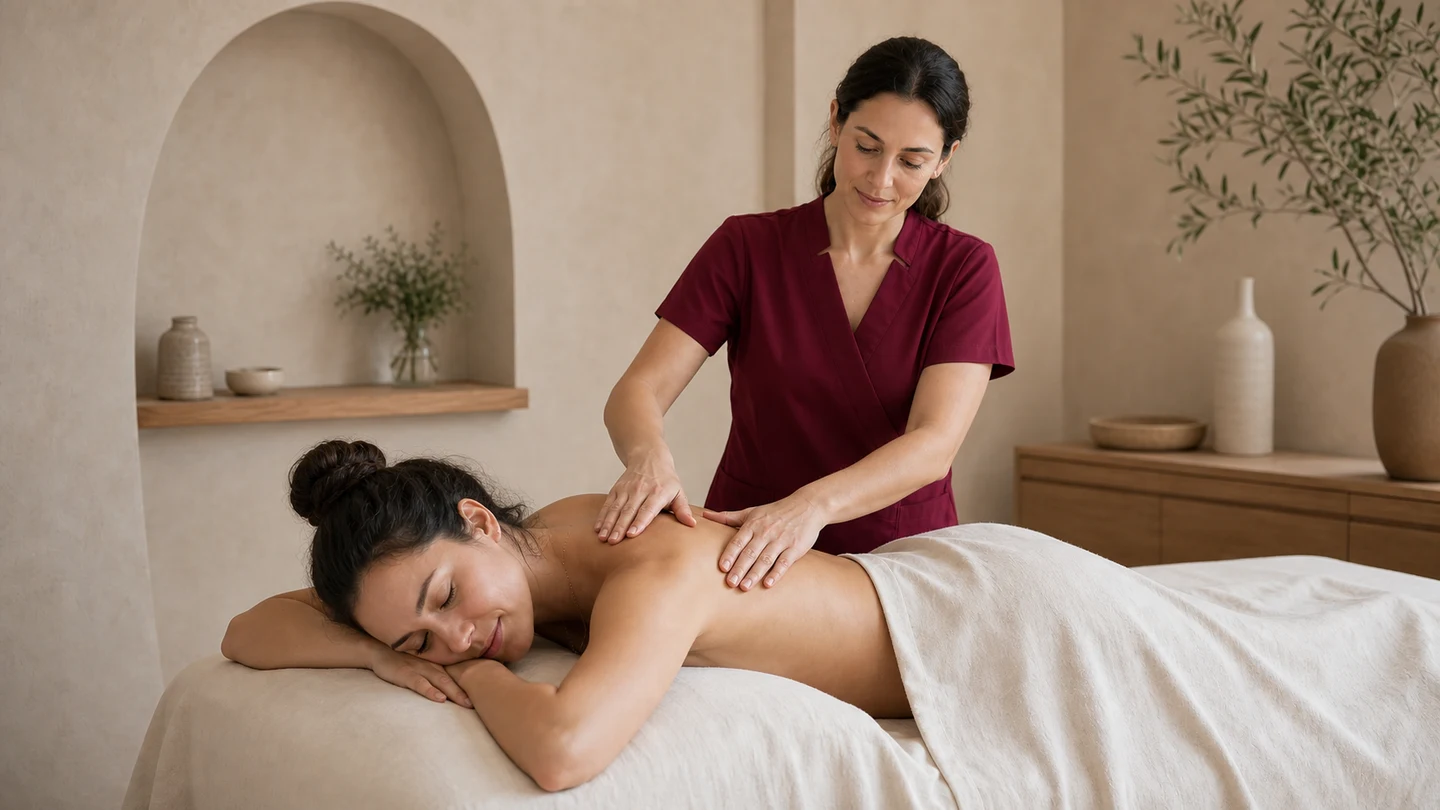
Post-Workout Massage: Why and When
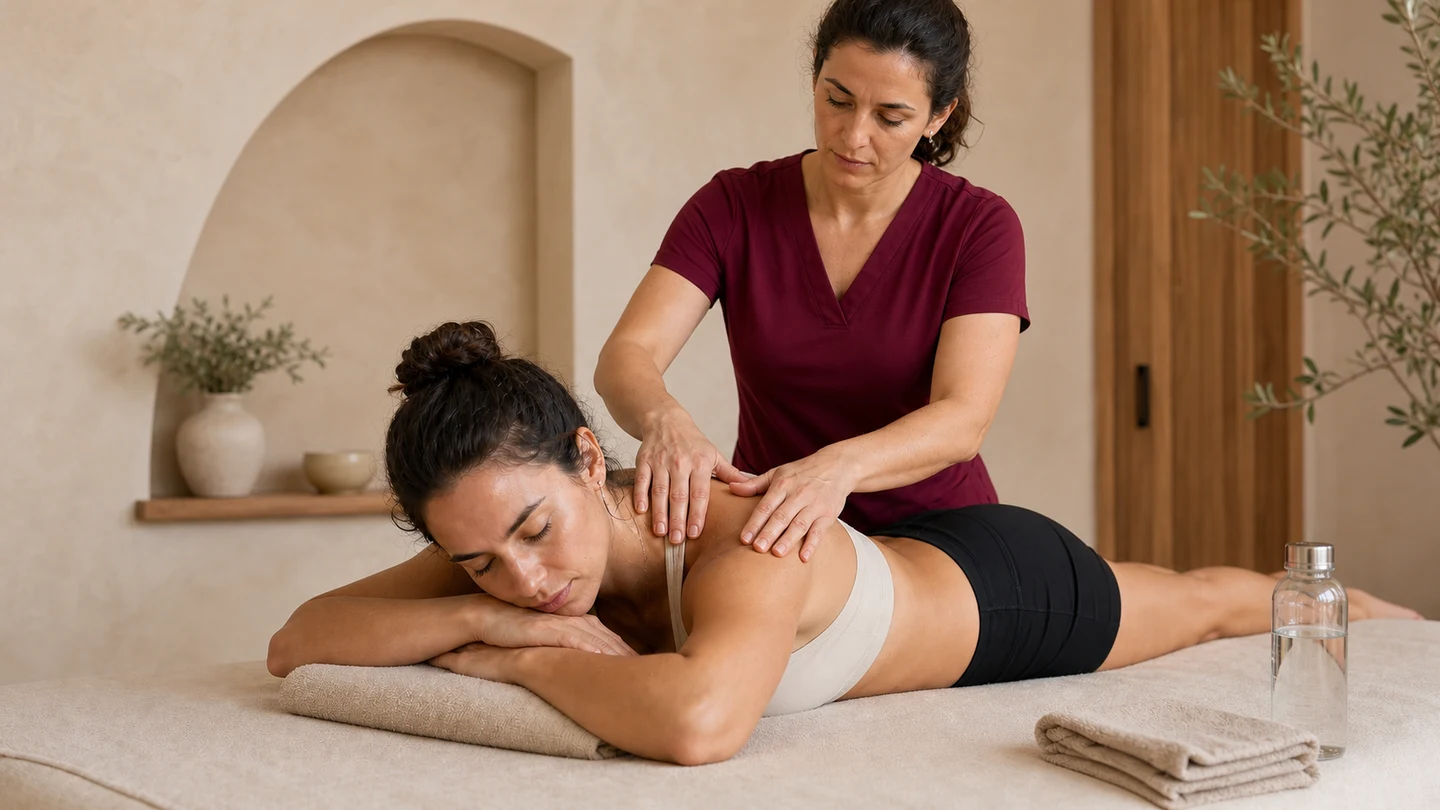
A post-workout massage eases muscle tension, restores range of motion, and helps your body shift from effort mode into recovery mode. A light recovery session is fine even on training day; save deep work for a day or two after a hard workout. Let how you feel – not a rigid schedule – set the timing.
Sports massage stopped being a pro-athlete privilege a long time ago. In Israel, massage therapists see gym regulars, beachfront runners, and people easing back into training after a break. Here is what massage genuinely does after exercise – and what not to expect from it.
What massage actually does after a workout
A good recovery massage releases that heavy, "worked" feeling in the muscles, brings back ease of movement, and helps you unwind – most people also sleep better afterwards. For many, it is an hour of quiet for the head as much as for the body.
Now for an honest word about a popular myth: massage does not "flush out lactic acid". Your body clears lactate on its own within an hour or two of finishing – long before you reach the table. Delayed soreness comes from micro-damage to muscle fibers, not from trapped "toxins". Massage will not speed up that chemistry, but it genuinely makes sore muscles feel better – and that is worth plenty.
Right after training or a day or two later
A light, relaxing massage is fine shortly after a session: it helps you wind down and gently offload tired muscles. Deep work on the day of a hard workout, though, is a bad idea. Your muscles have taken enough load, and they do not need extra stress.
Plan deep sessions for a day or two after heavy training, or for a rest day. And go by feel: at the peak of soreness, choose gentle techniques rather than aggressive pressure on aching muscles.
Which massage to choose
The right technique depends on your training and your goal:
- Sports massage – tailored to your sport and training load; useful both for preparing for effort and for recovering from it
- Deep tissue – for chronically tight areas like shoulders and lower back; best on a rest day
- Lymphatic drainage – a gentle option for puffiness and heavy legs, for example after long runs
- Classic Swedish – the universal choice when you simply want to recover and relax
If in doubt, describe your training routine and how you feel. A good therapist will suggest the technique and depth of work themselves.
How often to go
There is no universal rule: frequency follows your training load. If you train hard and often, regular massage keeps tension from building up – for example, once every week or two. If your workouts are occasional, go by feel and book after particularly demanding efforts.
The same principle as in training applies: consistency beats one-off heroics. A regular therapist also learns your body and spots where you hold tension faster.
When massage is not the answer
Some situations call for postponing the session:
- Sharp pain that appeared during a workout
- A suspected injury: swelling, bruising, pain on movement
- Fever or generally feeling unwell
In all these cases, see a doctor first: massage is a recovery tool, not a diagnostic one. Once the acute phase has passed, it can go back into your routine.
Key takeaways
- Post-workout massage relieves tension and helps you feel and move better – but it does not "flush out lactic acid".
- A light recovery session works soon after training; deep work belongs a day or two later.
- Match the technique to the goal: sports, deep tissue, lymphatic drainage, or classic Swedish.
- Frequency follows load: the more you train, the more regularity pays off.
- Sharp pain, suspected injury, or fever – postpone the session.
Finding a therapist who understands training load is easier with BeYoffi: we gather verified massage therapists across Israel, including sports massage specialists. All that is left is to find a verified specialist who fits your routine and schedule.